

wastD
Oversized T-Shirts, cut as a shape — not a size up
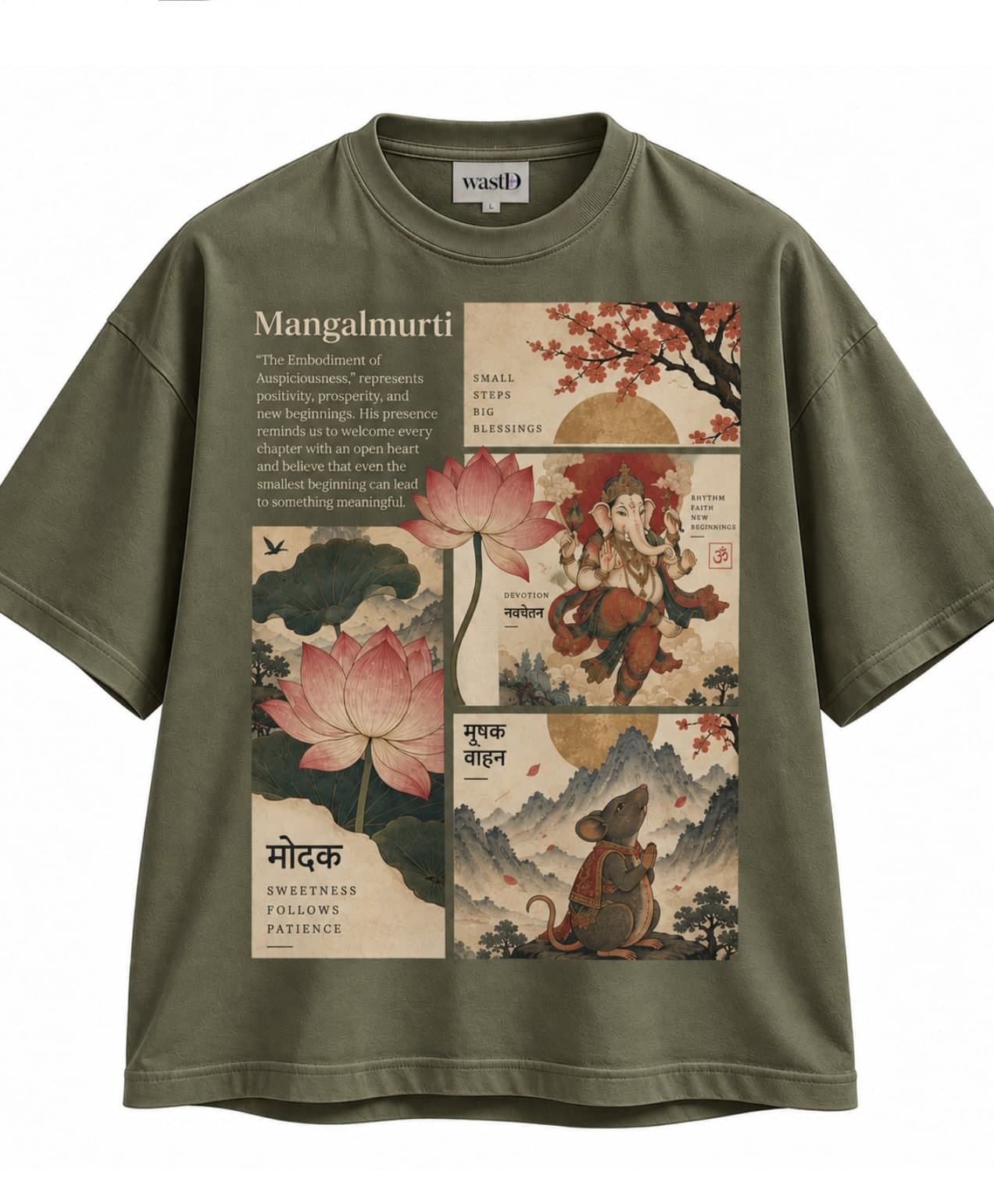
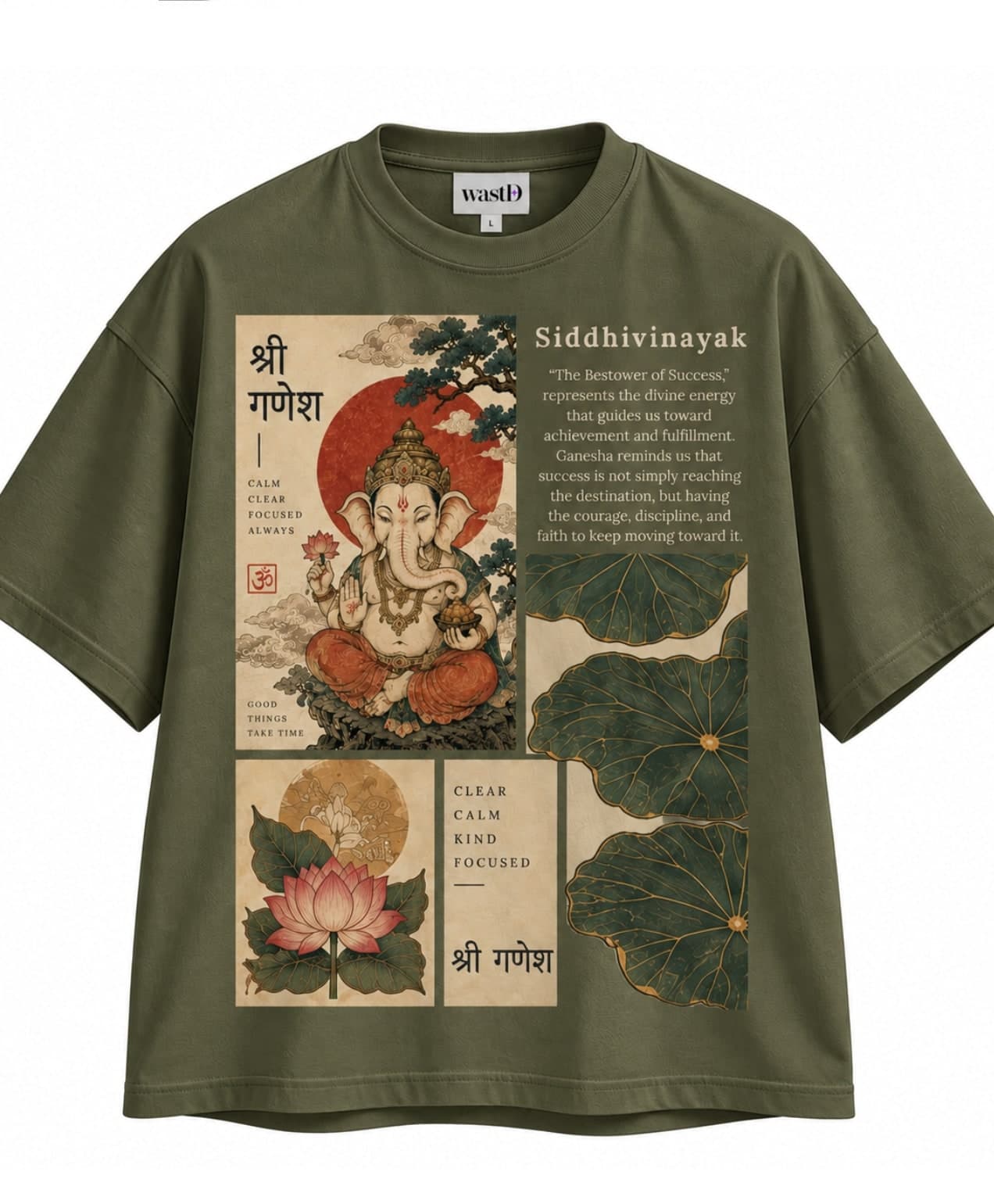
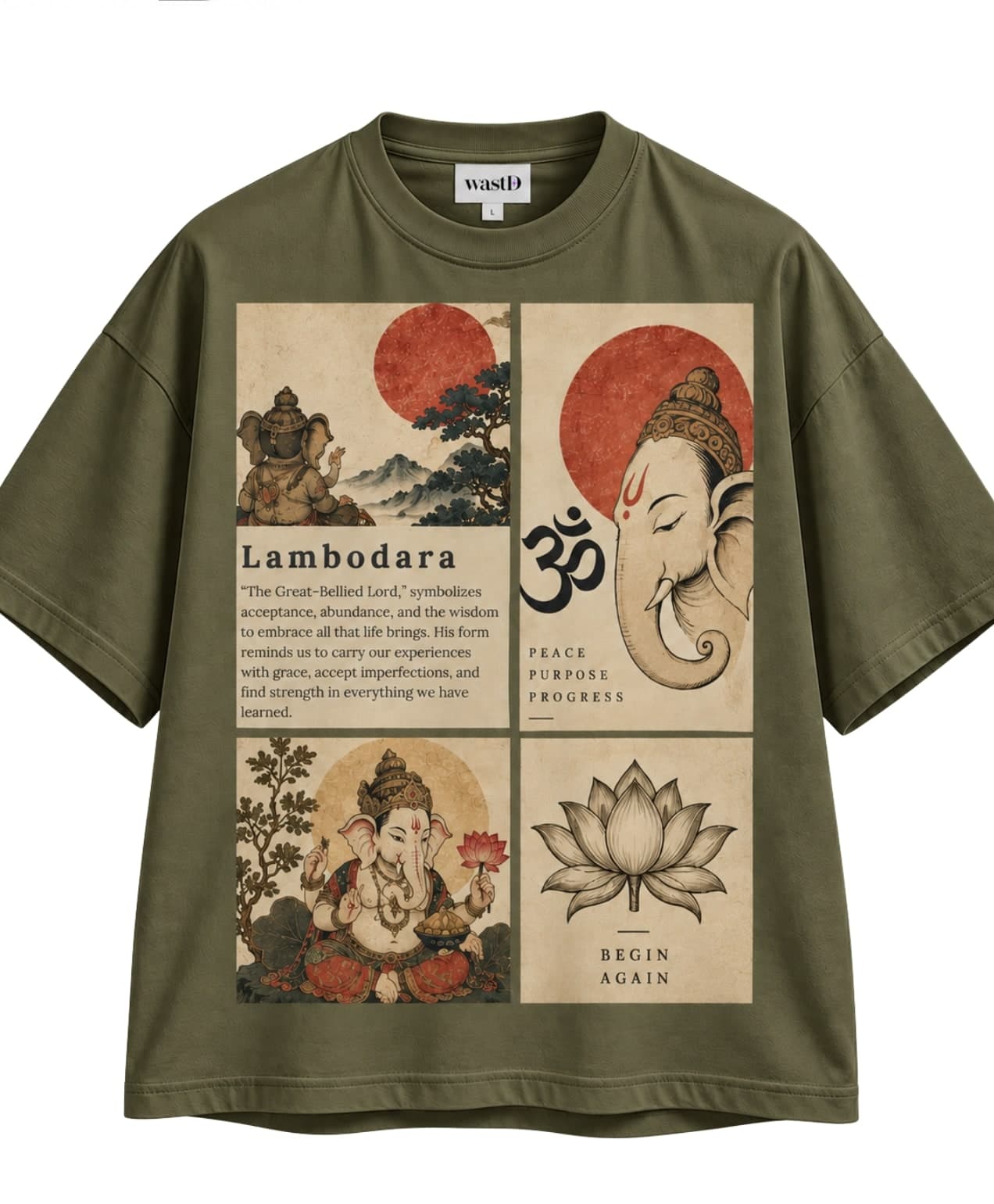
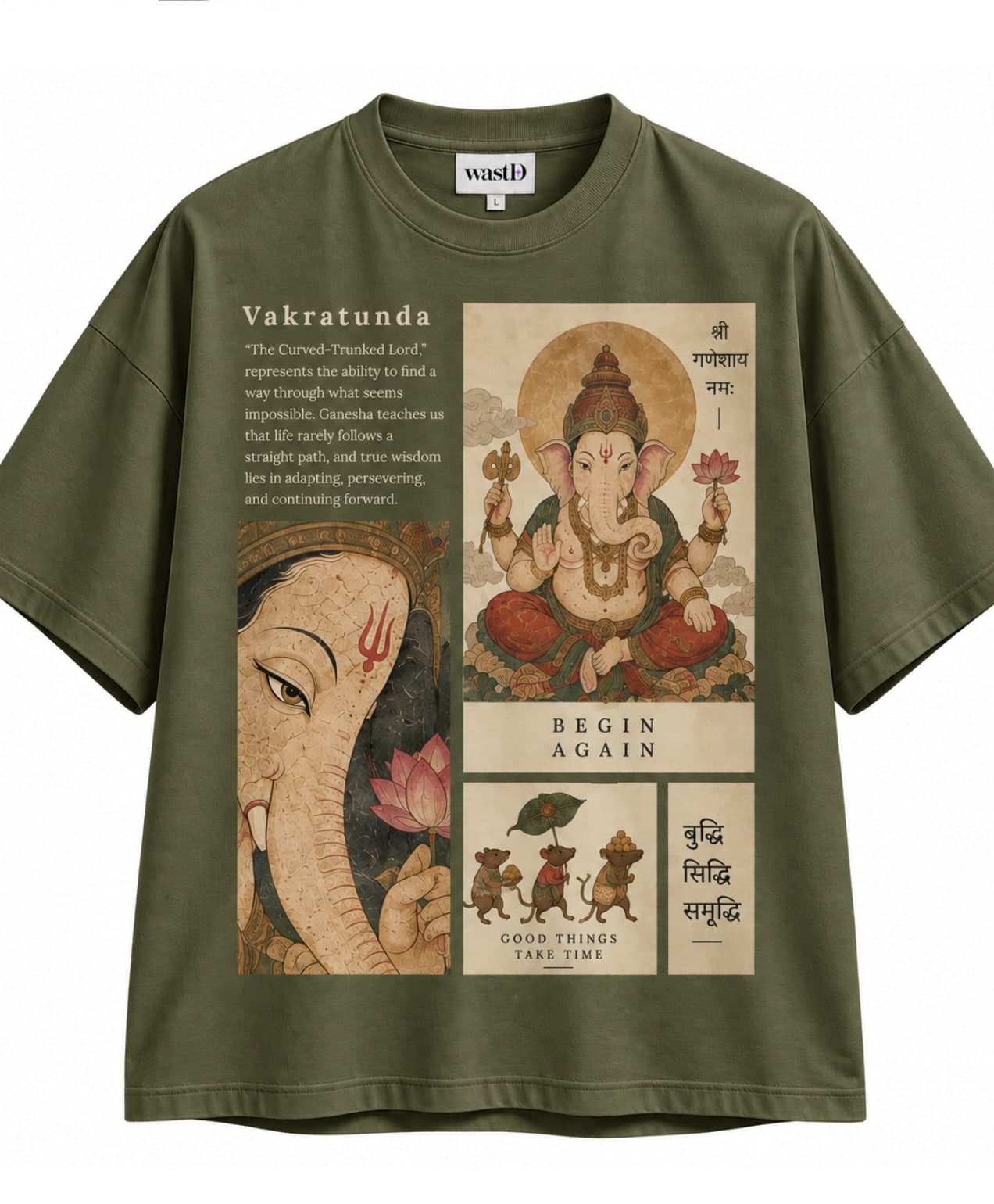
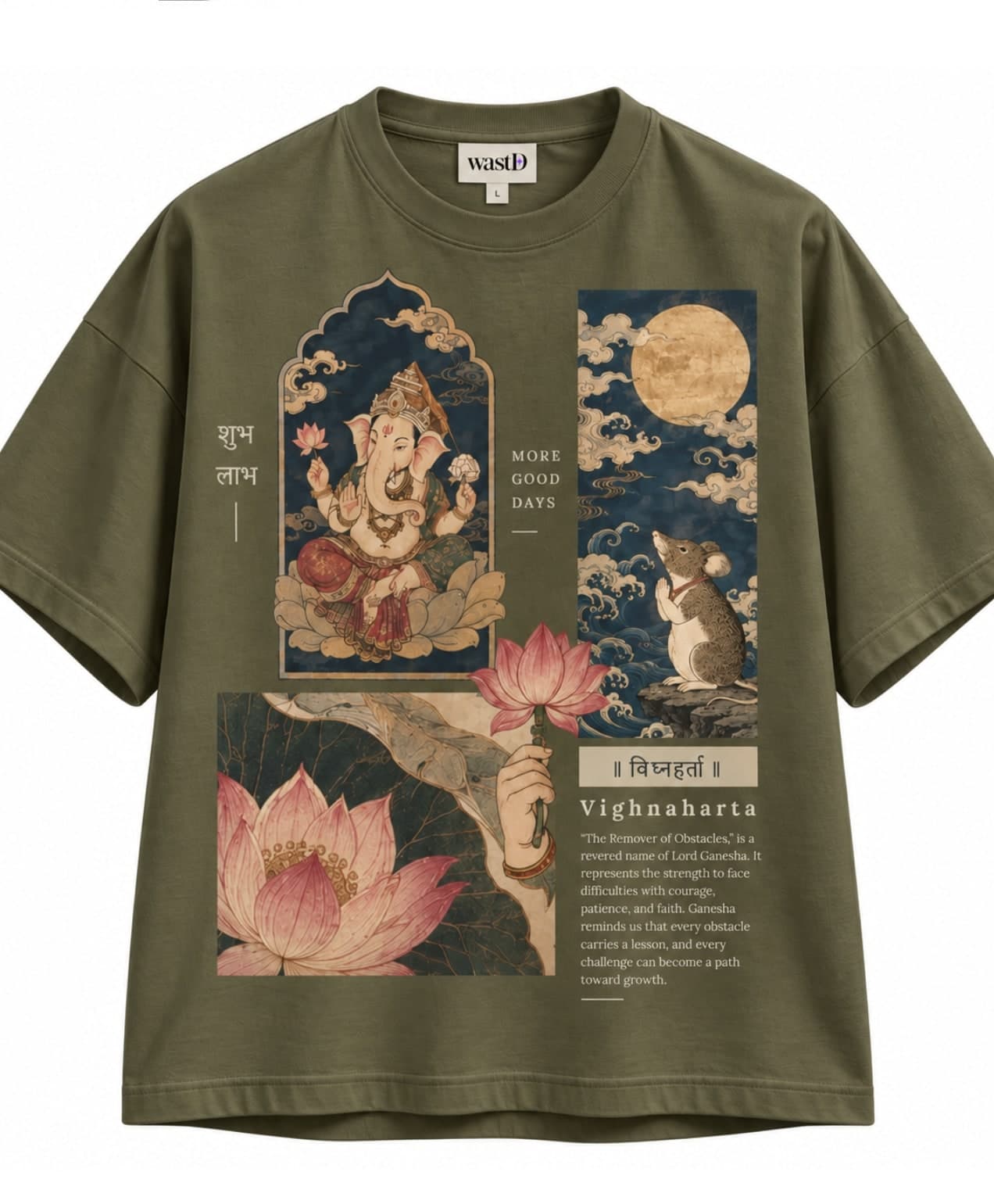
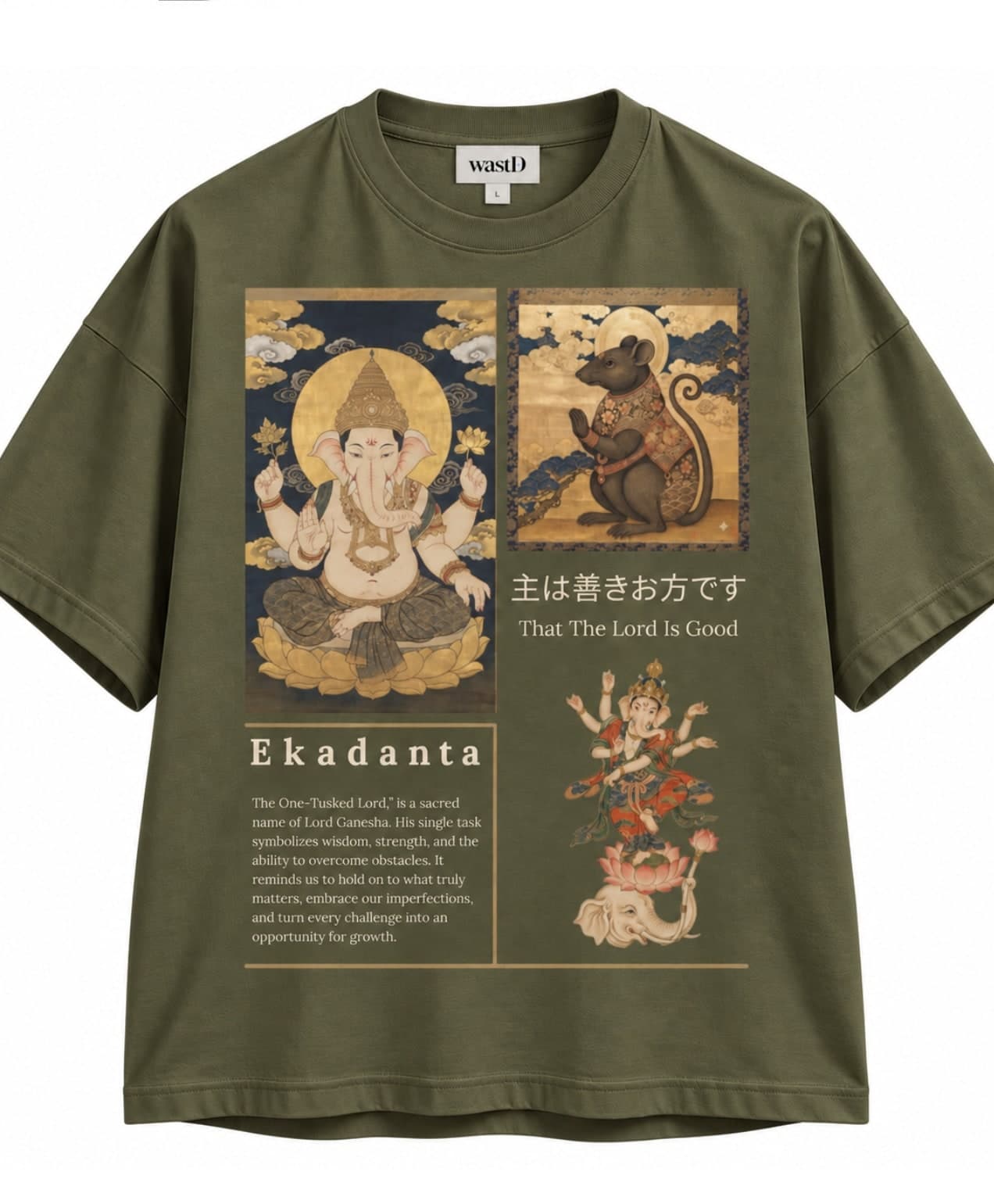
Most things sold as oversized in India are a regular tee pattern printed two sizes up. That is not the same garment. A real oversized cut moves the shoulder seam down the arm, straightens the body so it stops following your torso, and shortens the hem so the proportions still read. That is a different pattern, and it needs a heavier cloth to hold it.

Why 240 GSM is the whole argument
GSM is grams per square metre — how much cloth is in the cloth. Most mass-market tees in India sit between 140 and 180 GSM, because thinner fabric is cheaper per unit and ships lighter. Everything wrong with a cheap tee traces back to that number.
Below roughly 180 GSM a light-coloured tee is translucent, and no amount of styling fixes it. It also drapes wrong: a light fabric follows your body, which defeats the point of a boxed cut — an oversized pattern in thin cotton just looks like a t-shirt that does not fit. And it ages badly, because a thin knit has nothing holding the neckline and shoulders in shape, which is why a cheap tee looks finished after six washes.
At 240 GSM the cloth holds its own structure. The shape you see on the hanger is the shape you get after twenty washes. It is heavier to wear, and in a Pune summer that is a genuine trade-off worth naming — but it is the reason the garment lasts.
How to size an oversized tee
Take your usual size. The volume is drawn into the pattern, so you do not need to size up to get the look — sizing up on top of an already-oversized cut gives you a tent, not a silhouette.
Size down one if you want something closer to a regular fit with just a hint of drop shoulder. That is the most common adjustment people make, and it is a legitimate way to wear the cut.
The size guide publishes flat garment measurements rather than body measurements. That is deliberate: chest-and-waist tables are close to useless for a dropped-shoulder cut, because the garment is not meant to correspond to your body at those points. Lay a tee you already own flat, measure pit-to-pit, and compare it directly.
Unisex, and meant literally
Every piece is one cut, XS to XXL, and it is not a men's tee with a women's label added. A boxed silhouette does not need to be gendered — the shape works the same way regardless of who is wearing it, and the only variable that matters is how much volume you want.
In practice: for the fit shown in the photography, take your usual size. For something more fitted, size down. That advice does not change based on who you are.
Questions
- What does 240 GSM mean on a t-shirt?
- GSM is grams per square metre — the weight of the fabric. 240 GSM is heavyweight: roughly a third denser than the 140–180 GSM used in most mass-market tees. It is what stops a light tee being see-through, what makes an oversized cut hold its shape instead of draping off your body, and what resists the neckline stretch that finishes a cheap tee inside six washes.
- Should I size up for an oversized t-shirt?
- No. The volume is already in the pattern — drop shoulder, straight body, shorter hem. Take your usual size for the fit shown in the photos, or size down one if you want something closer to a regular tee. Sizing up on an already-oversized cut gives you a tent rather than a silhouette.
- Are these oversized t-shirts unisex?
- Yes, literally — one cut from XS to XXL, not a men's tee relabelled. A boxed silhouette works the same way regardless of who wears it. The only variable is how much volume you want, which is a sizing decision rather than a gendered one.
- Will the print crack or fade?
- Prints are cured properly rather than rushed through, which is the single biggest difference between a graphic that survives a year of washing and one that cracks in a month. Wash inside out, cold, and skip the dryer — that is genuinely all the care it needs.
- How much does delivery cost?
- Flat rates by distance, shown at checkout before you pay: ₹29 across Pune and Pimpri-Chinchwad, ₹99 elsewhere in Maharashtra, ₹149 for the rest of India. Returns are free for 14 days and we arrange the reverse pickup.
Keep reading